


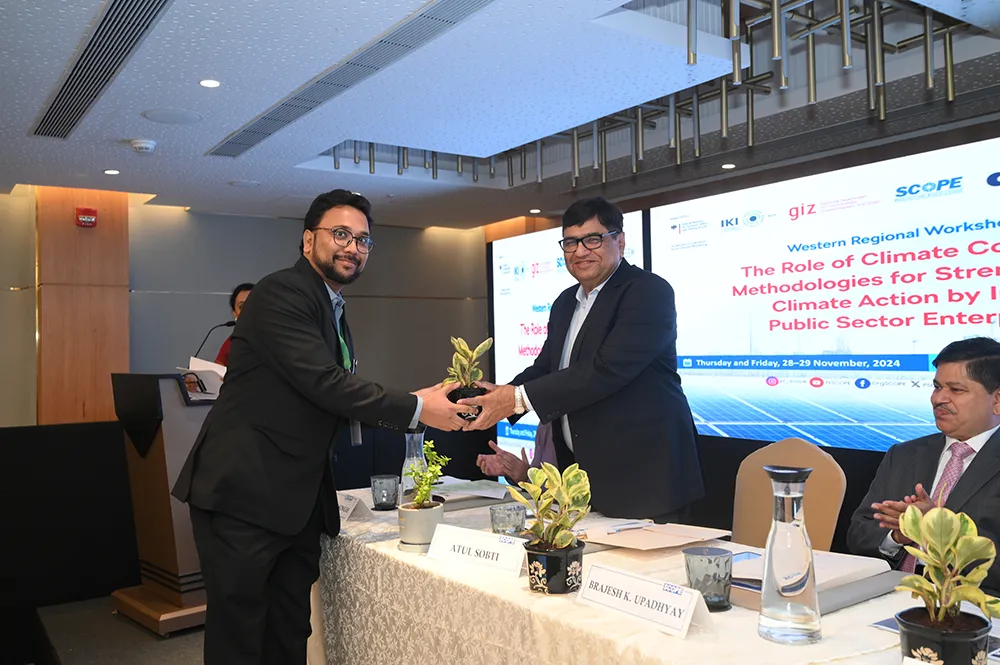
Action by Indian Public Sector Enterprises” in Goa

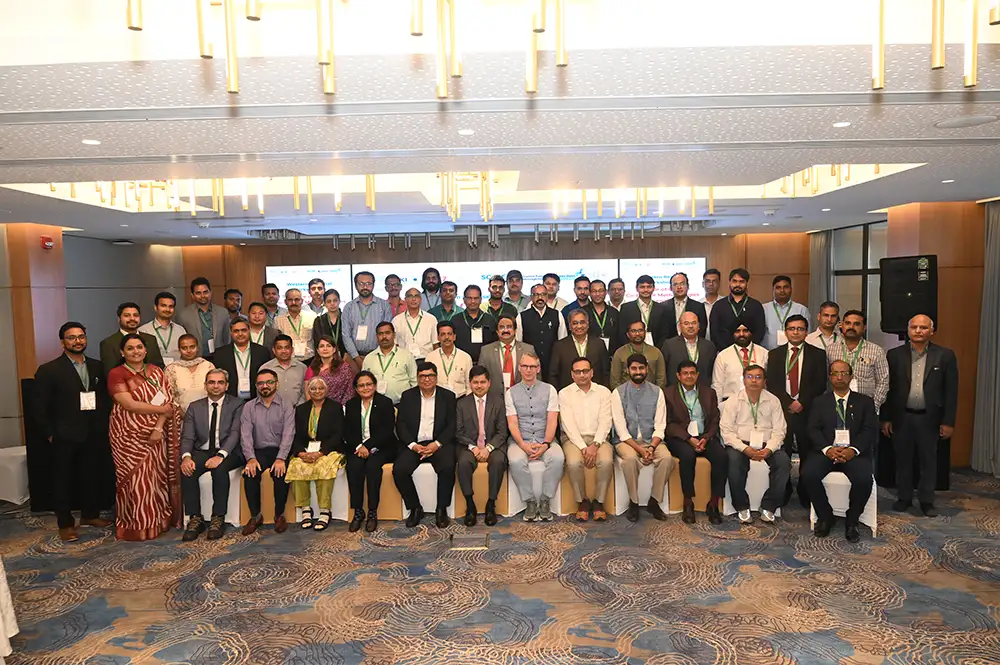
Action by Indian Public Sector Enterprises” in Kolkata

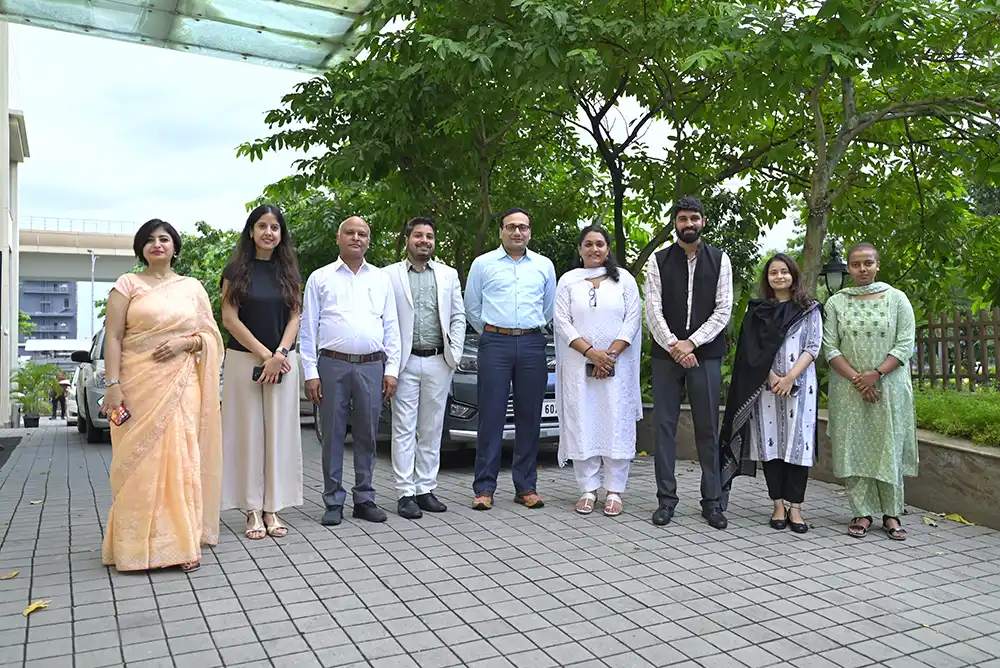
Action by Indian Public Sector Enterprises” in Bengaluru


Instrunctor

Instactors




Maharatna PSEs
Navratna PSEs

Miniratna PSEs
Other PSEs
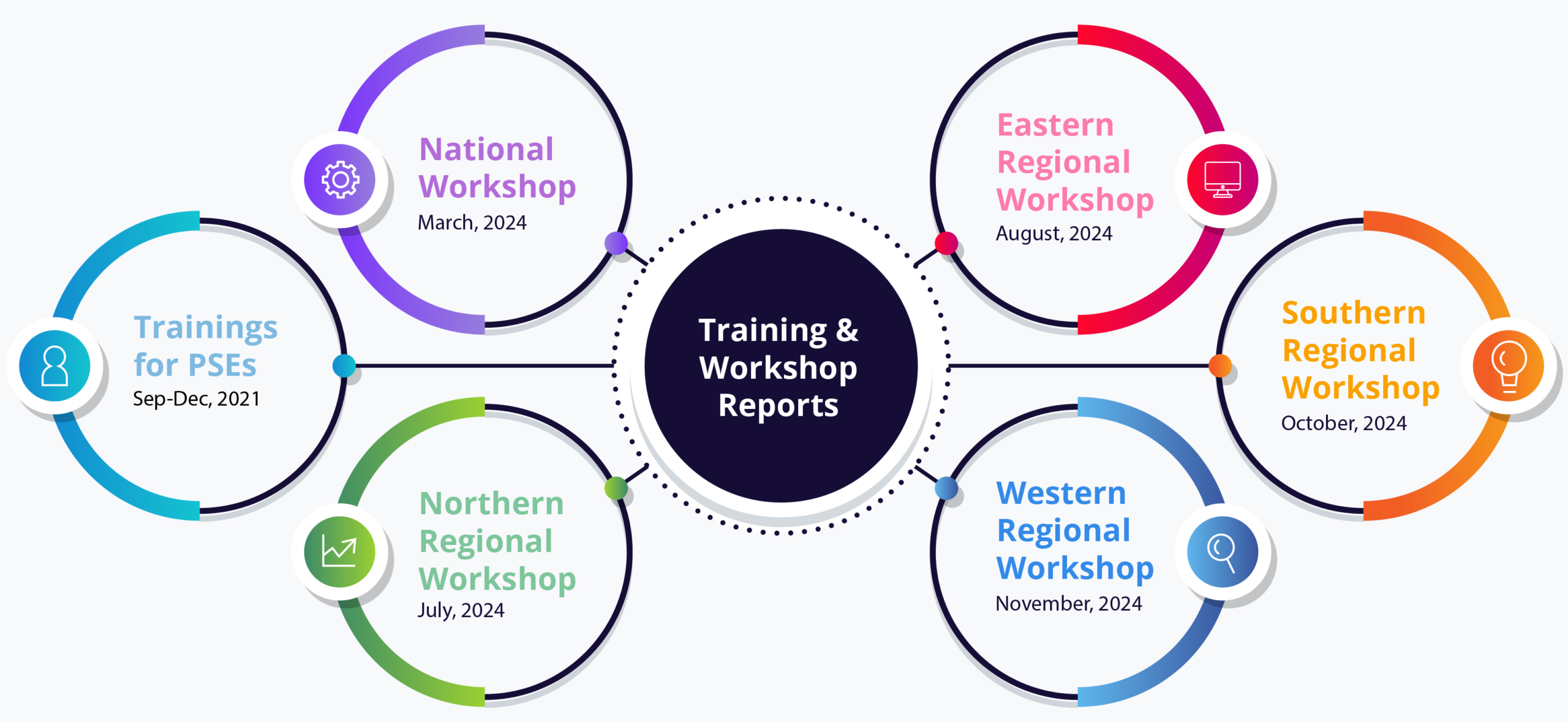

 SCOPE Study – Initiatives towards building a low carbon economy
To achieve national climate mitigation goals, Public Sector Enterprises (PSEs) must play a crucial role. Recognizing this, SCOPE and GIZ sought to highlight innovative technologies, practices, and processes adopted by PSEs to maintain performance while prioritizing climate sensitivity. This Compendium serves as a repository of unique technological advancements, showcasing how 26 ‘Ratna’ PSEs integrate sustainability into their operations. I extend my sincere gratitude to these PSEs for their transparency in sharing insights, which can serve as a benchmark and guide other organizations in balancing commercial prudence with climate resilience for a sustainable future.
Download – SCOPE Study – Initiatives towards building a low carbon economy 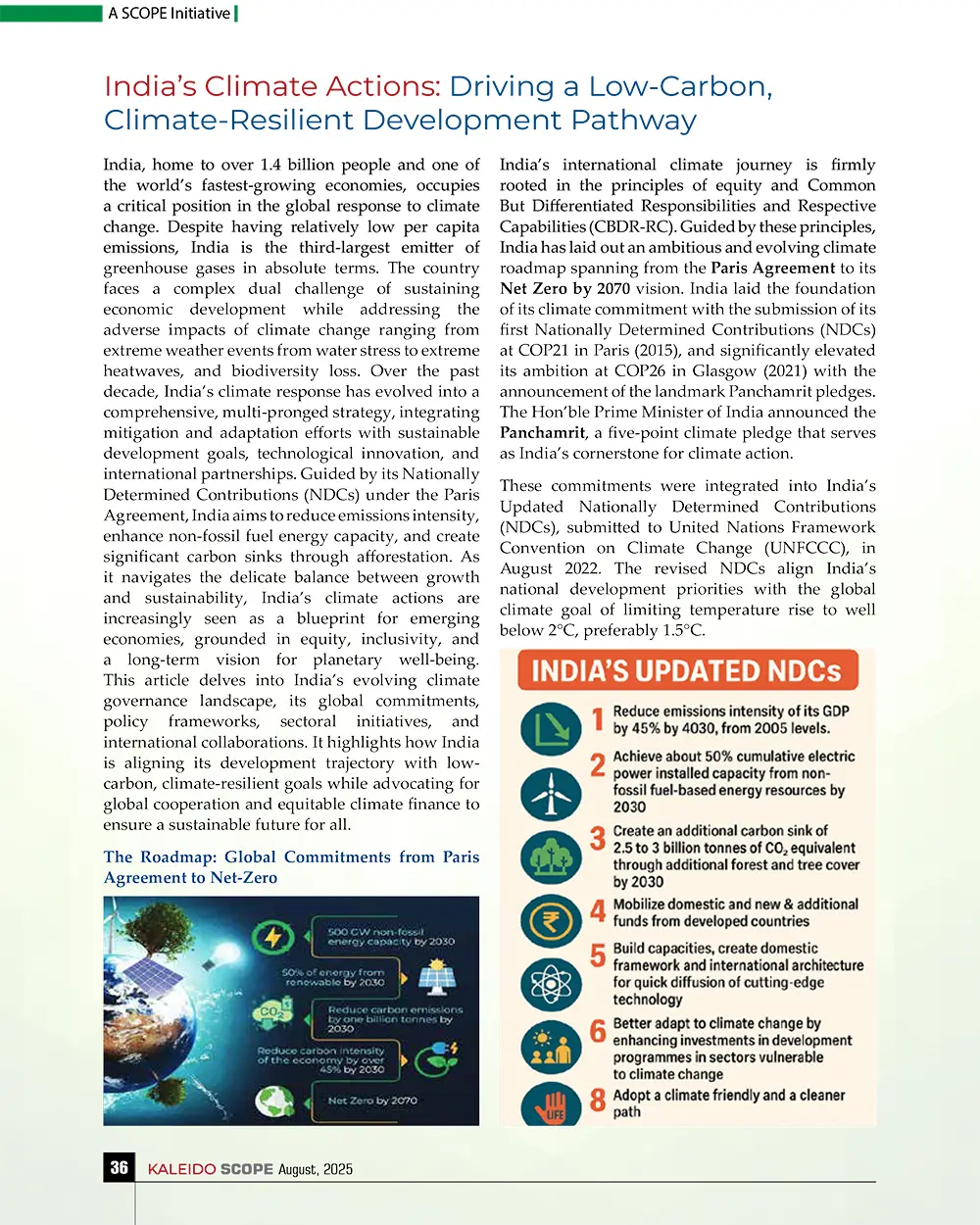 Kaleidoscope – August 2025
Over the past decade, India’s climate response has evolved into a comprehensive, multi-pronged strategy, integrating mitigation and adaptation efforts with sustainable development goals, technological innovation, and international partnerships. Guided by its Nationally Determined Contributions (NDCs) under the Paris Agreement, India aims to reduce emissions intensity, enhance non-fossil fuel energy capacity, and create significant carbon sinks through afforestation. As it navigates the delicate balance between growth and sustainability, India’s climate actions are increasingly seen as a blueprint for emerging economies, grounded in equity, inclusivity, and a long-term vision for planetary well-being. This article delves into India’s evolving climate governance landscape, its global commitments, policy frameworks, sectoral initiatives, and international collaborations. It highlights how India is aligning its development trajectory with lowcarbon, climate-resilient goals while advocating for global cooperation and equitable climate finance to ensure a sustainable future for all.
Download – Kaleidoscope – August 2025 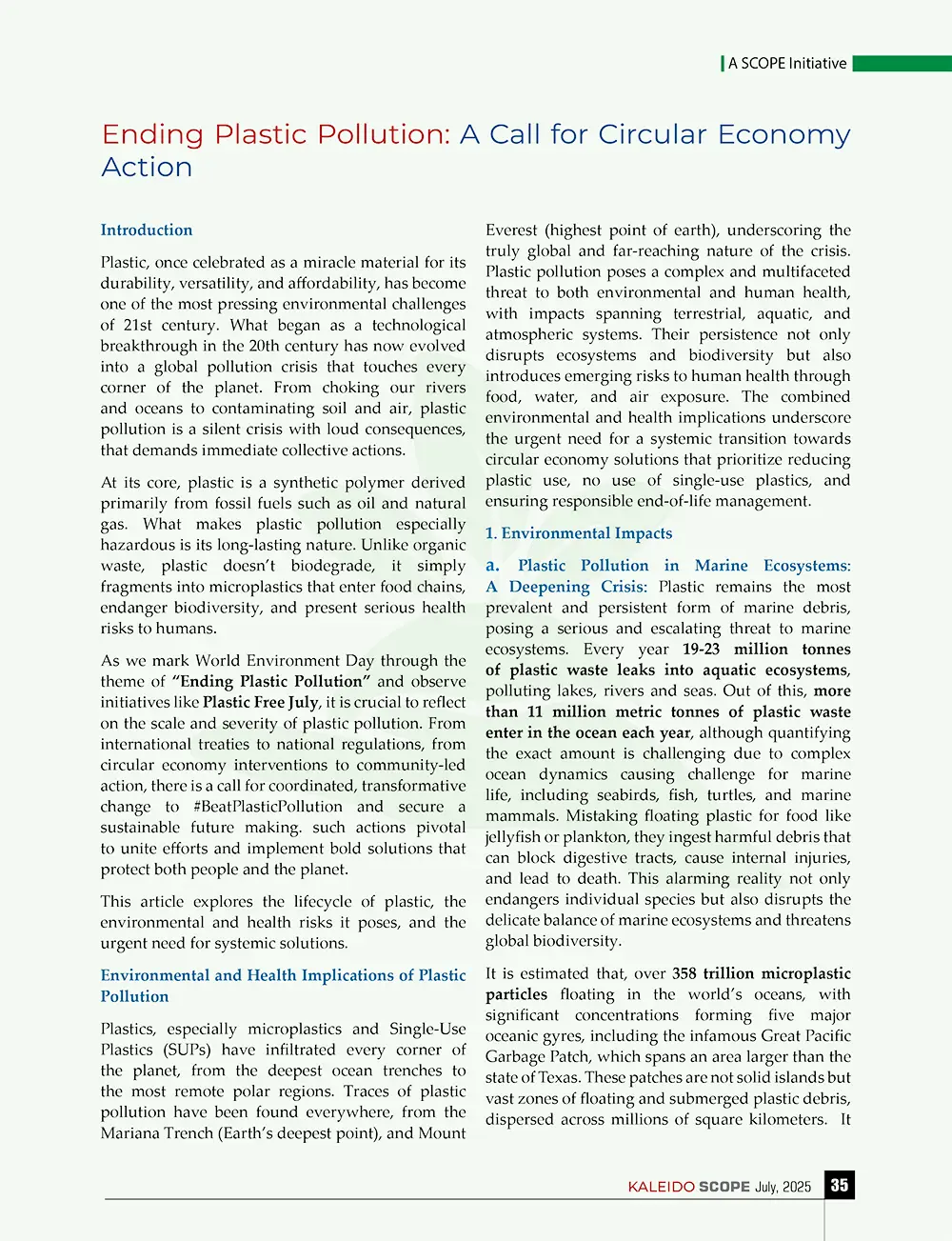 Kaleidoscope – July 2025
Plastic, once celebrated as a miracle material for its durability, versatility, and affordability, has become one of the most pressing environmental challenges of 21st century. What began as a technological breakthrough in the 20th century has now evolved into a global pollution crisis that touches every corner of the planet. From choking our rivers and oceans to contaminating soil and air, plastic pollution is a silent crisis with loud consequences, that demands immediate collective actions. This article explores the lifecycle of plastic, the environmental and health risks it poses, and the urgent need for systemic solutions.
Download – Kaleidoscope – July 2025 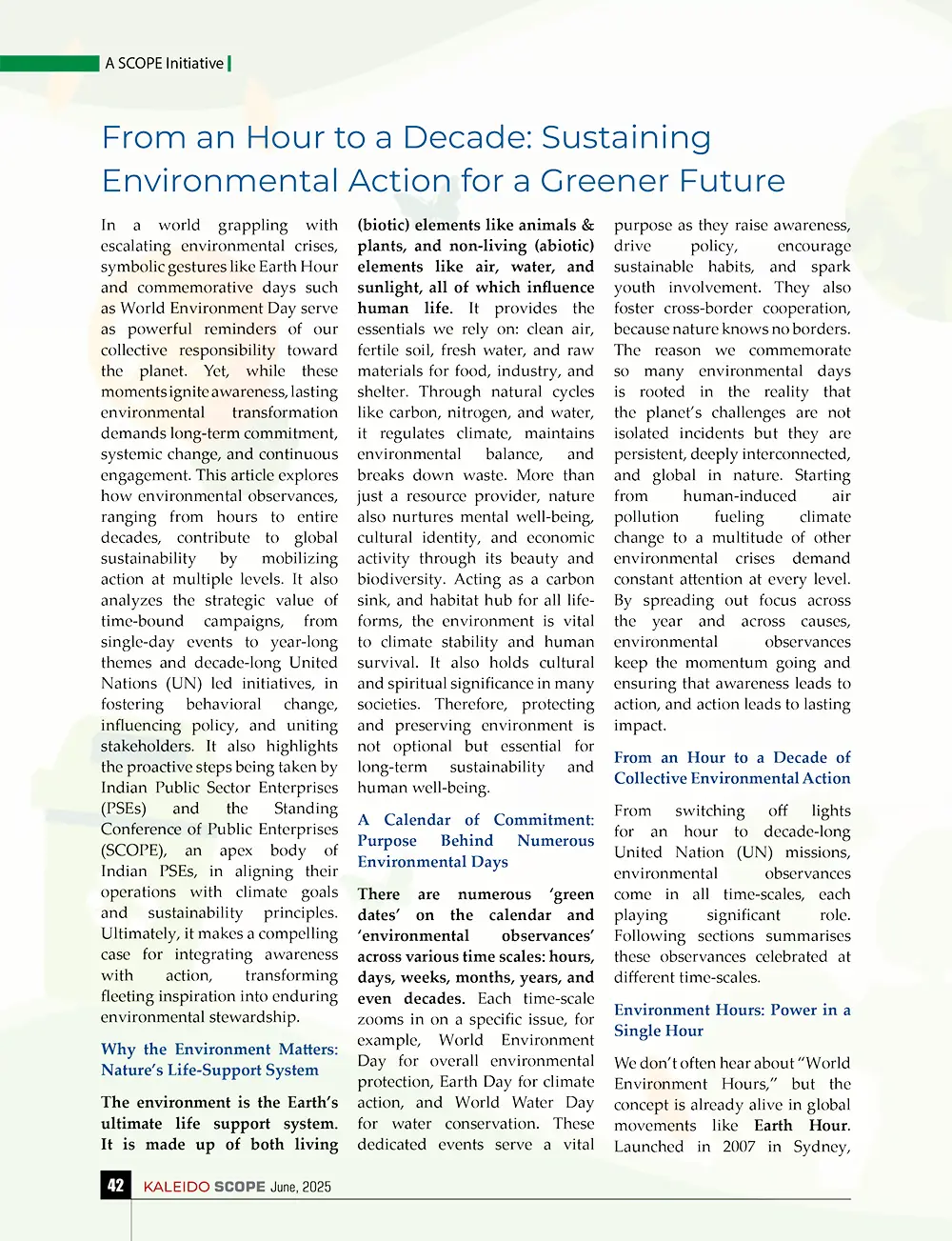 Kaleidoscope – June 2025
In a world grappling with escalating environmental crises, symbolic gestures like Earth Hour and commemorative days such as World Environment Day serve as powerful reminders of our collective responsibility toward the planet. Yet, while these moments ignite awareness, lasting environmental transformation demands long-term commitment, systemic change, and continuous engagement. This article explores how environmental observances, ranging from hours to entire decades, contribute to global sustainability by mobilizing action at multiple levels. It also analyzes the strategic value of time-bound campaigns, from single-day events to year-long themes and decade-long United Nations (UN) led initiatives, in fostering behavioral change, influencing policy, and uniting stakeholders. It also highlights the proactive steps being taken by Indian Public Sector Enterprises (PSEs) and the Standing Conference of Public Enterprises (SCOPE), an apex body of Indian PSEs, in aligning their operations with climate goals and sustainability principles. Ultimately, it makes a compelling case for integrating awareness with action, transforming fleeting inspiration into enduring environmental stewardship.
Download – Kaleidoscope – June 2025  Kaleidoscope – May 2025
The climate system is a complex network of Earth’s components – the atmosphere (air), hydrosphere (water), cryosphere (ice), lithosphere (solid surface), and biosphere (living organisms) that interact to regulate the planet’s climate. Maintaining balance among these elements is crucial for climate stability. However, human activities have increasingly disrupted this balance, leading to the current global climate crisis. Within this system, some components are resilient, while others are highly vulnerable. When these vulnerable parts reach critical thresholds, they can trigger abrupt and often irreversible changes known as tipping points. This article examines the growing significance of climate tipping points, identifies key tipping elements at risk, and explores their interconnections. It also discusses the uncertainty surrounding these tipping points and emphasizes the importance of positive tipping points in mitigating climate risks.
Download – Kaleidoscope – May 2025 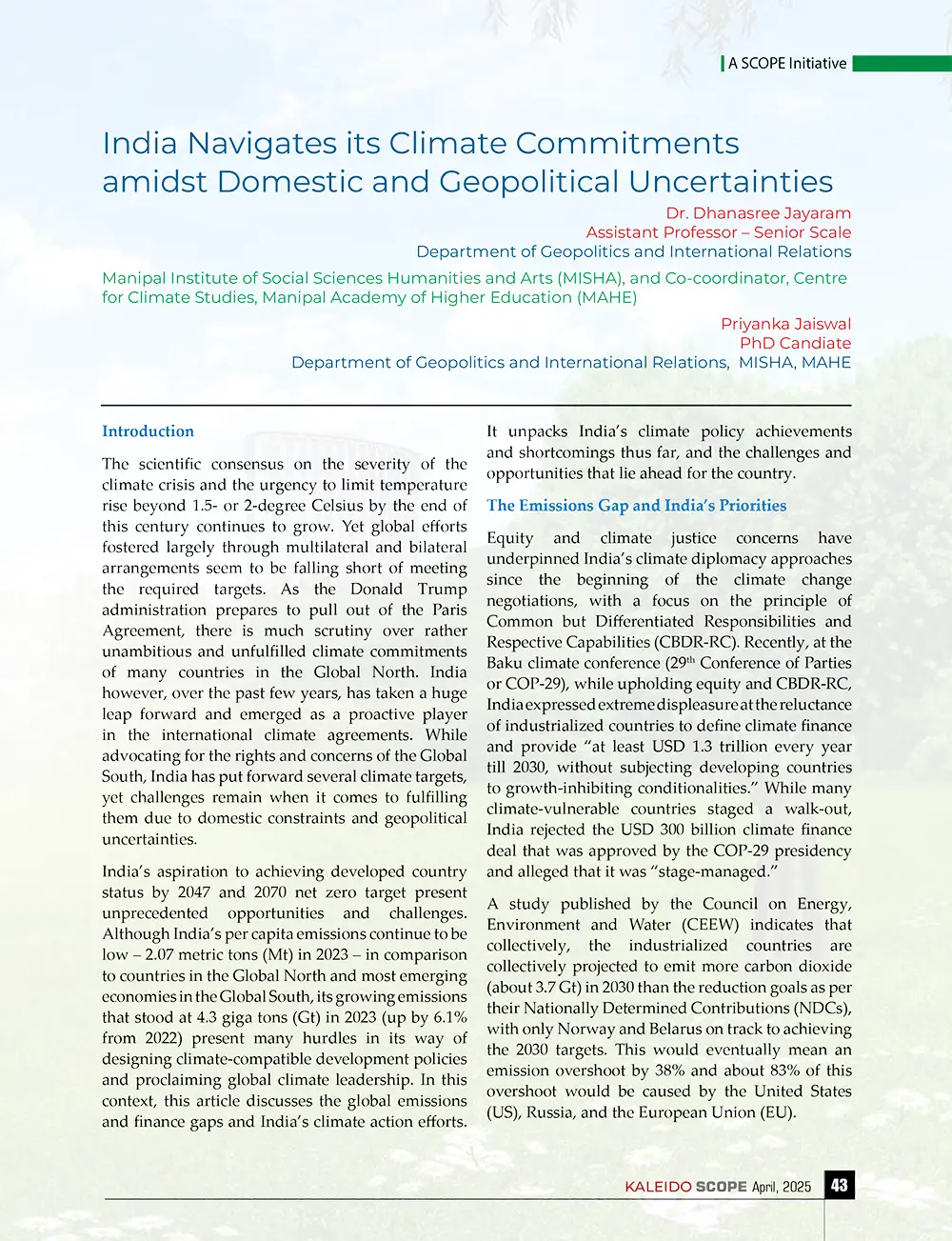 Kaleidoscope – April 2025
The scientific consensus on the severity of the climate crisis and the urgency to limit temperature rise beyond 1.5- or 2-degree Celsius by the end of this century continues to grow. Yet global efforts fostered largely through multilateral and bilateral arrangements seem to be falling short of meeting the required targets. As the Donald Trump administration prepares to pull out of the Paris Agreement, there is much scrutiny over rather unambitious and unfulfilled climate commitments of many countries in the Global North. India however, over the past few years, has taken a huge leap forward and emerged as a proactive player in the international climate agreements. While advocating for the rights and concerns of the Global South, India has put forward several climate targets, yet challenges remain when it comes to fulfilling them due to domestic constraints and geopolitical uncertainties.
Download – Kaleidoscope – April 2025  Kaleidoscope – March 2025
Climate change is a pressing global challenge with far-reaching impacts on biodiversity and human well-being. However, its effects are not evenly distributed, disproportionately affecting marginalized communities, especially women. Traditional gender roles often increase women’s vulnerability, highlighting that climate change is not gender-neutral. This article examines the gendered dimensions of climate change, exploring ecofeminism and women-led climate initiatives. It also addresses barriers to tackling gender-specific impacts and emphasizes the need for gender-responsive policies. Lastly, it reviews global, national (with a focus on India), and organizational policies, including those by Public Sector Enterprises (PSEs) and SCOPE, to promote equitable solutions.
Download – Kaleidoscope – March 2025 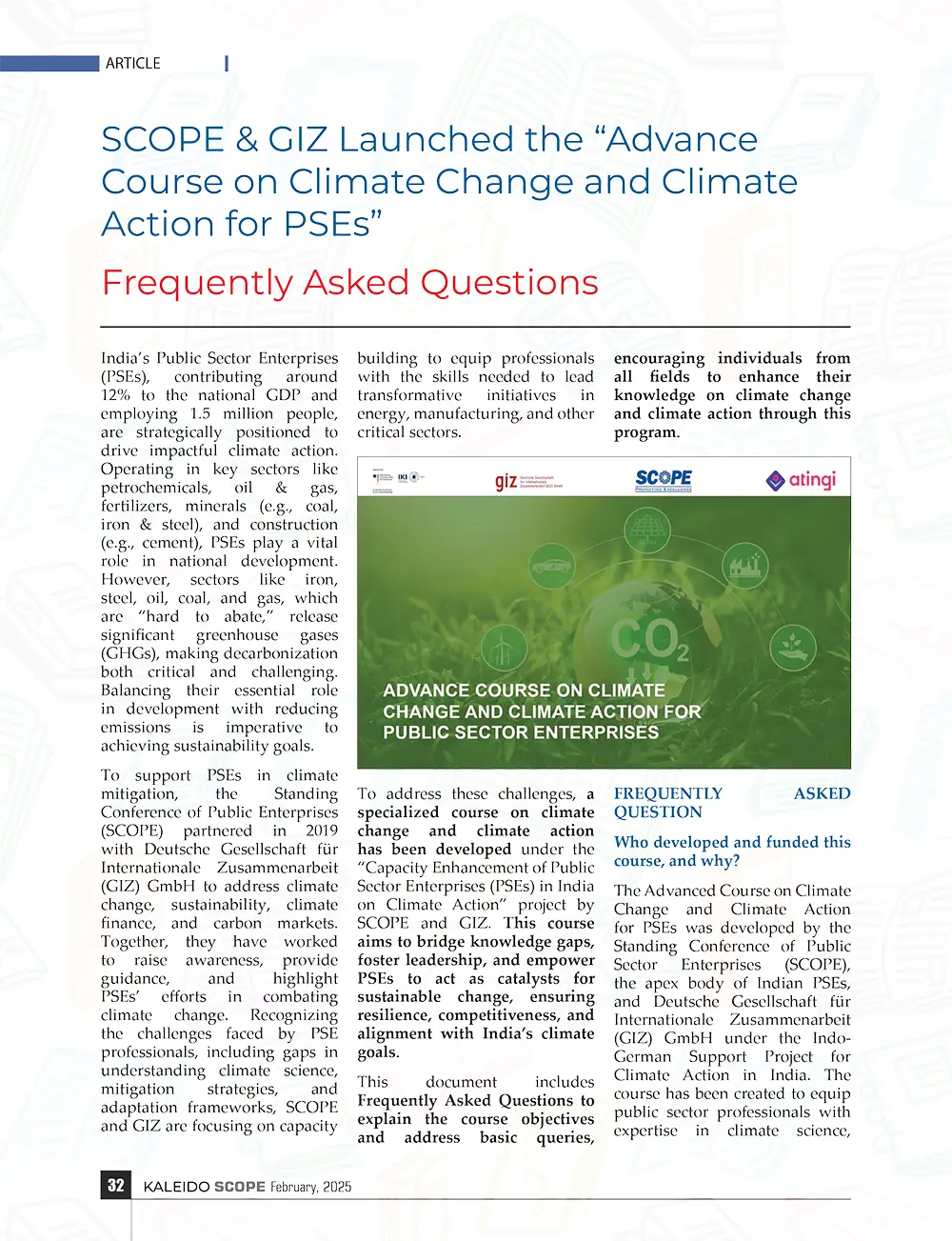 Kaleidoscope – February 2025_1
To support PSEs in climate mitigation, the Standing Conference of Public Enterprises (SCOPE) partnered with Deutsche Gesellschaft für Internationale Zusammenarbeit (GIZ) GmbH in 2019 to address climate change, sustainability, finance, and carbon markets. Their collaboration focuses on awareness, guidance, and capacity building to equip PSE professionals with essential skills. Under the “Capacity Enhancement of PSEs in India on Climate Action” project, a specialized course has been developed to bridge knowledge gaps and foster leadership. This document includes FAQs to explain course objectives, address key queries, and encourage individuals from all sectors to enhance their understanding of climate action.
Download – Kaleidoscope – February 2025_1
 Kaleidoscope – February 2025_2
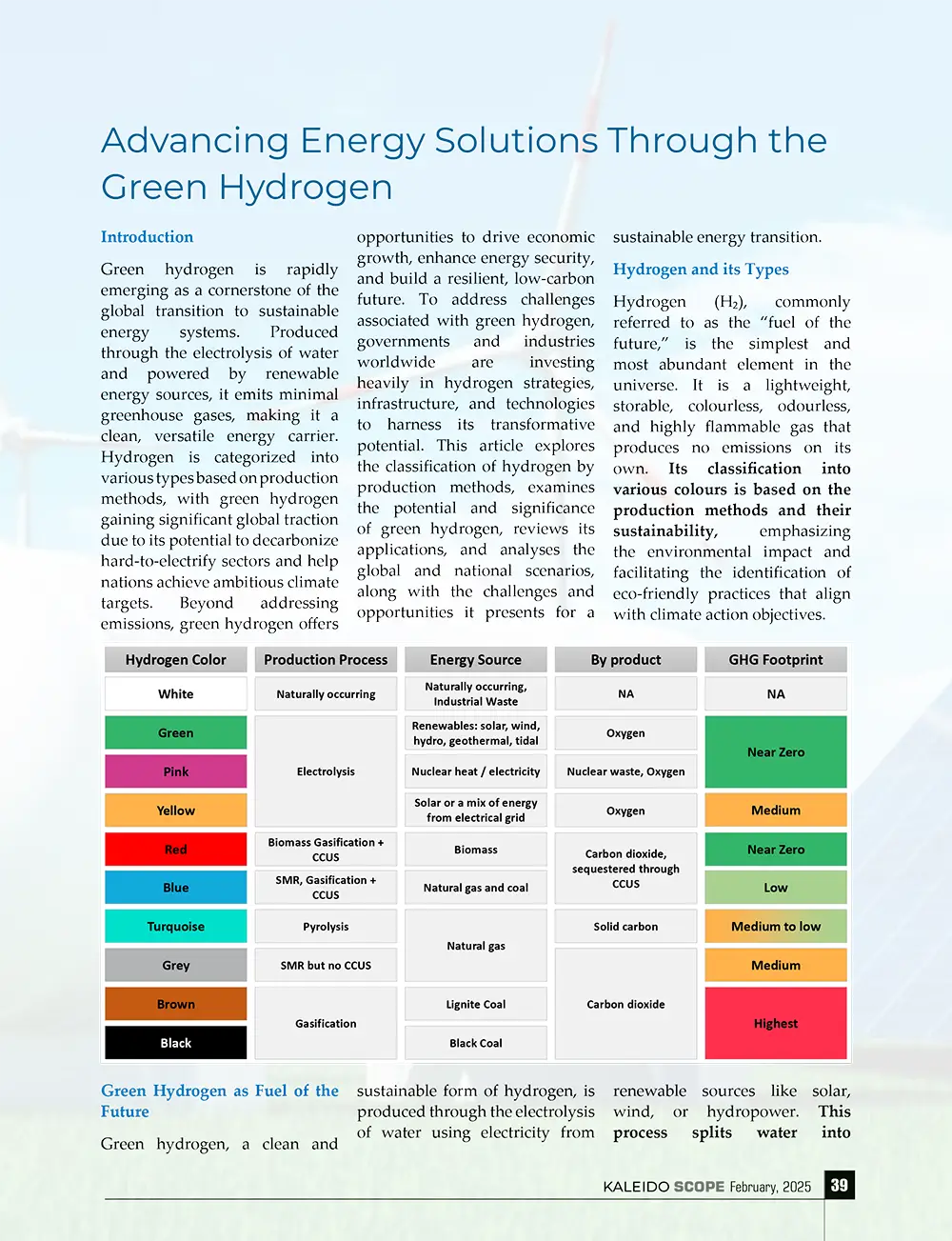
Green hydrogen is becoming a key pillar in the global shift toward sustainable energy. Produced via water electrolysis using renewable energy, it generates minimal greenhouse gas emissions, making it a clean and adaptable energy carrier. Among various hydrogen types, green hydrogen is gaining momentum for its role in decarbonizing hard-to-electrify sectors and supporting climate goals. It also fosters economic growth, energy security, and resilience. Governments and industries are investing in strategies, infrastructure, and technologies to overcome challenges. This article explores hydrogen classification, green hydrogen’s potential, its applications, and the global and national landscape, highlighting key opportunities and challenges.
Download – Kaleidoscope – February 2025_2 
Kaleidoscope – January 2025
The global battle against climate change has reached a crucial point, with nations working toward ambitious Paris Agreement targets. Among G20 countries, India stands out as a key player, showing significant progress in climate action despite developmental challenges. This article examines India’s global climate performance, comparing it with G20 counterparts and analyzing the factors behind its success. Additionally, it explores the vital role of Public Sector Enterprises (PSEs) in advancing sustainable development goals, highlighting their contributions to India’s climate commitments and overall efforts toward a low-carbon, resilient future.
Download – Kaleidoscope – January 2025
 Kaleidoscope – December 2024
The 29th Conference of the Parties (COP29) under the United Nations Framework Convention on Climate Change (UNFCCC) took place in Baku, Azerbaijan, from November 11 to 22, 2024. Building on the progress of previous COPs, COP29 prioritized translating commitments into actionable outcomes, with a strong focus on advancing adaptation strategies, enhancing mitigation efforts, and establishing innovative financing mechanisms while maintaining a focus on equity and the principles of common but differentiated responsibilities and respective capabilities. Against a backdrop of intensifying climate challenges and complex political dynamics, COP29 underscored a renewed global commitment to combating climate change. This article highlights major achievements and decisions that emerged from COP29.
Download – Kaleidoscope – December 2024  Kaleidoscope – November 2024
As the world turns its attention to the 29th Conference of the Parties (COP29) to the United Nations Framework Convention on Climate Change (UNFCCC), the stakes have never been higher. With the global community grappling with record-breaking temperatures, worsening natural disasters, and growing political and social pressure, COP29 is poised to be a pivotal moment in shaping the future of climate solutions. This article highlights recent major climate summits and outlines expectations for COP29, aiming to foster effective solutions that genuinely tackle the scale of the crisis.
Download – Kaleidoscope – November 2024  Kaleidoscope – October 2024
Governments, businesses, and educational institutions are increasingly recognizing the importance of fostering green skills to meet the demands of a transitioning economy, as investing in green skills offers an opportunity to create jobs, drive innovation, and ensure environmental stewardship. This article explores how green skills are reshaping the future of work, their pivotal role in advancing sustainability, and their potential to unlock both economic and environmental benefits for a greener and more inclusive world.
Download – Kaleidoscope – October 2024  Kaleidoscope – September 2024
Scientific research is essential in tackling climate challenges, providing evidence-based insights into climate systems, drivers, and solutions. Climate change, influenced by both natural and human factors, requires a deep understanding to predict future scenarios and develop effective mitigation and adaptation strategies. The Intergovernmental Panel on Climate Change (IPCC), a UN body of climate experts, plays a key role in this effort. Through its reports, the IPCC offers critical scientific guidance, helping governments, businesses, and organizations craft policies that mitigate climate risks while promoting sustainability. This article examines the IPCC’s impact as a science-driven body shaping global climate action.
Download – Kaleidoscope – September 2024  Kaleidoscope – August 2024
This article focuses on forestry initiatives and the single-use plastic (SUP) ban as climate actions with multiple co-benefits. Additionally, it explores how the Standing Conference of Public Enterprises (SCOPE) is assisting Public Sector Enterprises (PSEs) in India to leverage these climate actions by measuring and quantifying their environmental and societal impacts through the institutionalization of climate co-benefit methodologies.
Download – Kaleidoscope – August 2024  Kaleidoscope – July 2024
In this article, we will delve into the myriad ways that sustainable policies not only address climate change but also create a ripple effect of positive outcomes. By exploring these climate co-benefits, we can better appreciate the comprehensive value of adopting green practices and policies, ultimately reinforcing the necessity for swift and decisive action in our efforts to build a resilient and green future.
Download – Kaleidoscope – July 2024  Kaleidoscope – June 2024
The World Environment Day (WED) is celebrated annually on 5th June. This day serves as a rallying cry of millions of people around the world for raising awareness on environmental protection and sustainability. But when and how did this pivotal day originate? What is its significance? How has it evolved over time? This article is an attempt to answer these and other questions by tracing the journey of the Environment Day from being the nascent environmental movement beginning in the 20th century to the global phenomenon it has become today.
Download – Kaleidoscope – June 2024  Kaleidoscope – May 2024
As the world faces the urgent need for collective climate action, India’s role in climate diplomacy has become increasingly crucial. With a large population, a rapidly growing economy, and high climate vulnerability, India must balance environmental responsibility with development goals. Despite challenges, it has emerged as a key player in global climate negotiations. India’s approach has evolved from cautious participation to proactive leadership, reflected in its 7th position in the Climate Change Performance Index 2024. This article explores India’s climate diplomacy, its policies, partnerships, and challenges in navigating international climate negotiations while striving for sustainability and economic growth.
Download – Kaleidoscope – May 2024  Kaleidoscope – April 2024
On the 12th of March 2024, under the Indo-German Support Project for Climate Action in India, a workshop on ‘Decarbonization of PSEs and the Role of Green Hydrogen for Public Sector Enterprises (PSEs)’ was organized by the Standing Conference of Public Sector Enterprises (SCOPE), GIZ India and the Indo-German Energy Forum. It provided a ‘Multi-Level Perspective’ on the ongoing climate action developments in India, particularly decarbonization-related transformations at three levels, namely across the ‘landscape’ (policies, regulations, finance mechanisms), in existing ‘systems’ and evolving ‘innovations’. During the workshop, a comprehensive study “Decarbonizing India – Potential for Electrification across India’s Economy & Assessment of Electricity Needs” was released. The article provides a brief insight into the solutions, ongoing efforts and financing mechanisms that were discussed.
Download – Kaleidoscope – April 2024  Kaleidoscope – March 2024
Climate change is one of the greatest threats to humanity, worsening social, economic, and environmental inequalities, disproportionately affecting vulnerable communities. While environmental issues were discussed in early UN scientific conferences, a structured climate action plan emerged only with the establishment of the Intergovernmental Panel on Climate Change (IPCC) in 1988. The IPCC’s reports influenced major global decisions, including the Rio Declaration and the UNFCCC. The UNFCCC, established in 1994, led to the Conference of the Parties (COP), where global stakeholders collaborate on climate action. This article provides FAQs on COP, highlighting its significance in addressing climate change.
Download – Kaleidoscope – March 2024
Kaleidoscope – January 2025
India’s Climate Action Performance Globally: Leading the Way Among G20 Nations
Download – Kaleidoscope – January 2025
Kaleidoscope – December 2024
The 29th Conference of the Parties (COP29) under the United Nations Framework Convention on Climate Change (UNFCCC) took place in Baku, Azerbaijan, from November 11 to 22, 2024. Building on the progress of previous COPs, COP29 prioritized translating commitments into actionable outcomes, with a strong focus on advancing adaptation strategies, enhancing mitigation efforts, and establishing innovative financing mechanisms while maintaining a focus on equity and the principles of common but differentiated responsibilities and respective capabilities. Against a backdrop of intensifying climate challenges and complex political dynamics, COP29 underscored a renewed global commitment to combating climate change. This article highlights major achievements and decisions that emerged from COP29.
Download – Kaleidoscope – December 2024
Kaleidoscope – November 2024
As the world turns its attention to the 29th Conference of the Parties (COP29) to the United Nations Framework Convention on Climate Change (UNFCCC), the stakes have never been higher. With the global community grappling with record-breaking temperatures, worsening natural disasters, and growing political and social pressure, COP29 is poised to be a pivotal moment in shaping the future of climate solutions. This article highlights recent major climate summits and outlines expectations for COP29, aiming to foster effective solutions that genuinely tackle the scale of the crisis.
Download – Kaleidoscope – November 2024
Kaleidoscope – October 2024
Governments, businesses, and educational institutions are increasingly recognizing the importance of fostering green skills to meet the demands of a transitioning economy, as investing in green skills offers an opportunity to create jobs, drive innovation, and ensure environmental stewardship. This article explores how green skills are reshaping the future of work, their pivotal role in advancing sustainability, and their potential to unlock both economic and environmental benefits for a greener and more inclusive world.
Download – Kaleidoscope – October 2024
Kaleidoscope – September 2024
Through its comprehensive reports, IPCC provides offers valuable insights on the physical science of climate change that guide governments, businesses, and organizations in developing policies that mitigate climate risks while fostering sustainable development. This article explores the pivotal role of the IPCC as a science-driven body shaping international climate action.
Download – Kaleidoscope – September 2024
Kaleidoscope – August 2024
This article focuses on forestry initiatives and the single-use plastic (SUP) ban as climate actions with multiple co-benefits. Additionally, it explores how the Standing Conference of Public Enterprises (SCOPE) is assisting Public Sector Enterprises (PSEs) in India to leverage these climate actions by measuring and quantifying their environmental and societal impacts through the institutionalization of climate co-benefit methodologies.
Download – Kaleidoscope – August 2024
Kaleidoscope – July 2024
In this article, we will delve into the myriad ways that sustainable policies not only address climate change but also create a ripple effect of positive outcomes. By exploring these climate co-benefits, we can better appreciate the comprehensive value of adopting green practices and policies, ultimately reinforcing the necessity for swift and decisive action in our efforts to build a resilient and green future.
Download – Kaleidoscope – July 2024
Kaleidoscope – June 2024
The World Environment Day (WED) is celebrated annually on 5th June. This day serves as a rallying cry of millions of people around the world for raising awareness on environmental protection and sustainability. But when and how did this pivotal day originate? What is its significance? How has it evolved over time? This article is an attempt to answer these and other questions by tracing the journey of the Environment Day from being the nascent environmental movement beginning in the 20th century to the global phenomenon it has become today.
Download – Kaleidoscope – June 2024
Kaleidoscope – May 2024
In this article, we delve into the intricacies of India’s climate diplomacy and their evolution at both domestic and global stage, and the challenges it faces in navigating the complex terrain of international climate negotiations.
Download – Kaleidoscope – May 2024
Kaleidoscope – April 2024
On the 12th of March 2024, under the Indo-German Support Project for Climate Action in India, a workshop on ‘Decarbonization of PSEs and the Role of Green Hydrogen for Public Sector Enterprises (PSEs)’ was organized by the Standing Conference of Public Sector Enterprises (SCOPE), GIZ India and the Indo-German Energy Forum. It provided a ‘Multi-Level Perspective’ on the ongoing climate action developments in India, particularly decarbonization-related transformations at three levels, namely across the ‘landscape’ (policies, regulations, finance mechanisms), in existing ‘systems’ and evolving ‘innovations’. During the workshop, a comprehensive study “Decarbonizing India – Potential for Electrification across India’s Economy & Assessment of Electricity Needs” was released. The article provides a brief insight into the solutions, ongoing efforts and financing mechanisms that were discussed.
Download – Kaleidoscope – April 2024
Kaleidoscope – March 2024
This report features the ‘Frequently Asked Questions’ about COP. It may serve as a convenient resource to learn basic information about COP along with its prominence and effectiveness in combating the climate change.
Download – Kaleidoscope – March 2024
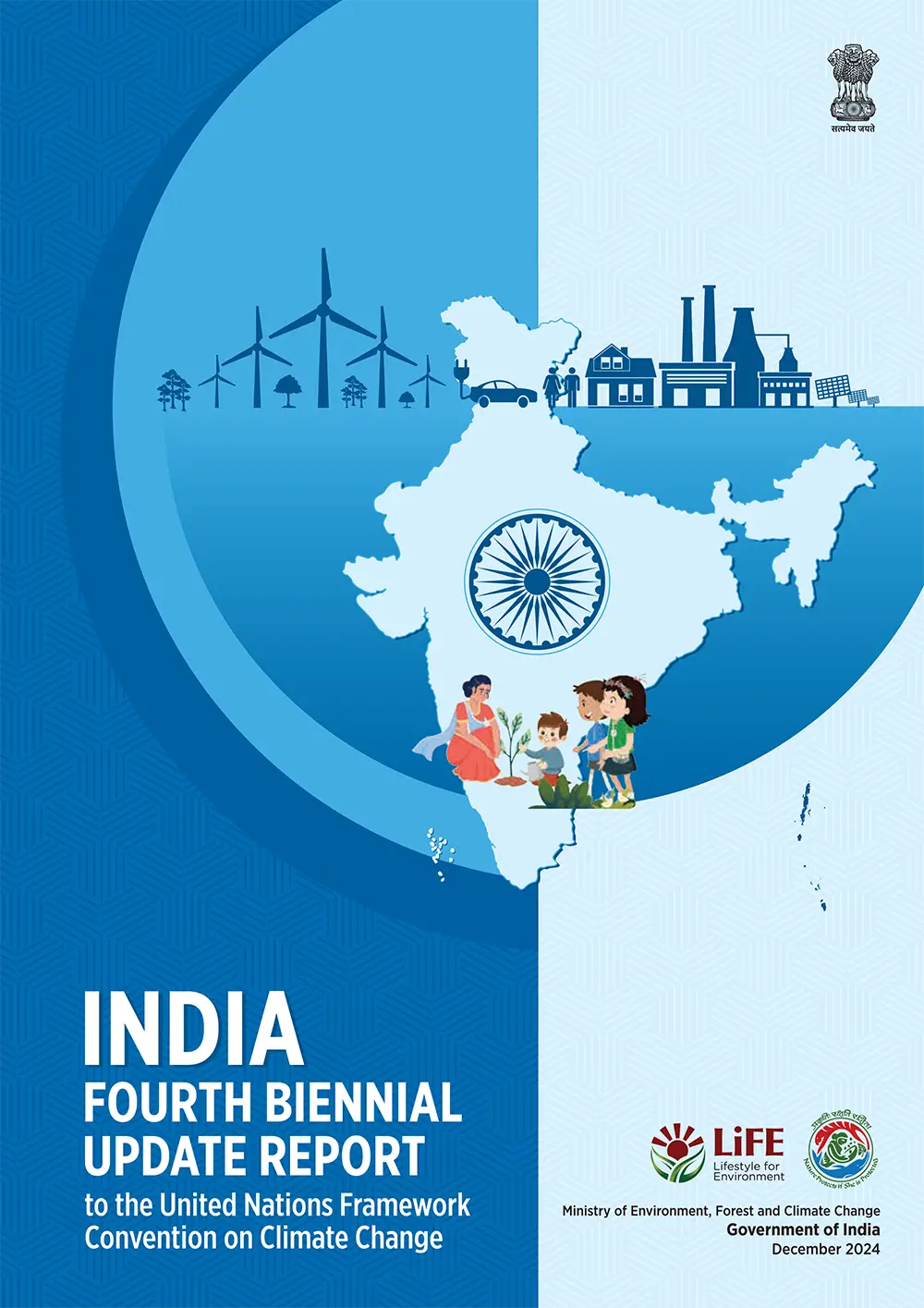
India submitted fourth Biennial Update Report (BUR) to UNFCCC in December 2024
“BUR” stands for “Biennial Update Report” and in the context of India, it refers to the country’s latest submission to the United Nations Framework Convention on Climate Change (UNFCCC), detailing its climate actions, emission reductions, and progress towards achieving its climate commitments; currently, India is reported to have submitted its 4th BUR, highlighting a significant reduction in greenhouse gas emissions compared to 2019, with the energy sector remaining the largest contributor to emissions. For details, read India’s BUR-4 at https://unfccc.int/documents/645149. Download – More Details Decarbonising India – Potential for Electrification across India’s Economy & Assessment of Electricity Needs
Download – More Details
 An IPCC Special Report on the impacts of global warming of 1.5°C above pre-industrial levels and related global greenhouse gas emission pathways, in the context of strengthening the global response to the threat of climate change, sustainable development, and efforts to eradicate poverty
Download – More Details
 Compendium of WHO and other UN guidance on health and environment
Download – More Details
 United Nations Secretary-General’s Call to Action on Extreme Heat
Download – More Details

UN Climate Talks ‘No Longer Fit for Purpose’ Say Key Experts
Key climate experts, including former UN Secretary-General Ban Ki-moon and former UN climate chief Christiana...

Almost Everyone in India Vulnerable to Climate Change Impacts; Need for Concerted Efforts: Dr. Soumya Swaminathan
At COP29, Dr. Soumya Swaminathan, former WHO chief scientist, emphasized...

Delhi Chokes as Air Pollution Turns ‘Severe’
Delhi’s air quality has reached severe levels, with pollution over 30 times the safe limit set by the...

Tropical Rainforests can Survive Global Warming: Study by IIT-CU-Ontario University
Researchers from IIT Kharagpur, Calcutta University, and the University of...

Rise in Nitrous Oxide Emissions Endangers Pathway to 1.5°C, The Ozone Layer, and Human Health
A new UN Global Nitrous Oxide (N₂O) Assessment highlights the urgent need to address rising...

COP29 Agrees International Carbon Market Standards
At COP29 in Baku, Azerbaijan, global leaders made significant strides in climate action, agreeing on standards for an...

Coal to stay as major source of energy in foreseeable future: Joshi
Responding to a Parliament question, Coal Minister Prahlad Joshi informed that coal will stay as...
Addressing Climate Change is Good for Business
India is already facing challenges of water shortages, food security...

Climate Change: The world depends on a low-carbon India
Between now and 2027, India is set to become the world’s most populous country. No one questions its...

Green Home to Fight Environmental Degradation: To Achieve Sustainable Development Goals
With the aim to achieve energy efficiency, effective waste management,...


Starting SEO as your Home Based Business
Lorem ipsum dolor sit amet consectur adipiscing elit, sed do eiusmod tempor incididunt ut labore et dolore magna aliqua. Ut...
Enroll Now
Grow Personal Financial Security Thinking & Principles
Lorem ipsum dolor sit amet consectur adipiscing elit, sed do eiusmod tempor incididunt ut labore et dolore magna aliqua. Ut...
Enroll Now
The Complete Guide to Build RESTful API Application
Lorem ipsum dolor sit amet consectur adipiscing elit, sed do eiusmod tempor incididunt ut labore et dolore magna aliqua. Ut...
Enroll Now
Competitive Strategy Law for Management Consultants
Lorem ipsum dolor sit amet consectur adipiscing elit, sed do eiusmod tempor incididunt ut labore et dolore magna aliqua. Ut...
Enroll Now
Lorem ipsum dolor amet consec tur elit adicing sed do usmod zx tempor enim minim veniam quis nostrud exer citation.
Bob Limones
Student
Lorem ipsum dolor amet consec tur elit adicing sed do usmod zx tempor enim minim veniam quis nostrud exer citation.
David Owens
Designer
Lorem ipsum dolor amet consec tur elit adicing sed do usmod zx tempor enim minim veniam quis nostrud exer citation.
Tom Hurley
Content Creator
Lorem ipsum dolor amet consec tur elit adicing sed do usmod zx tempor enim minim veniam quis nostrud exer citation.
Robert Lane
Developer
Jane Seymour
UI Designer
Edward Norton
Web Developer
Penelope Cruz
Digital Marketer
John Travolta
WordPress Expert


